
Ficha de relación
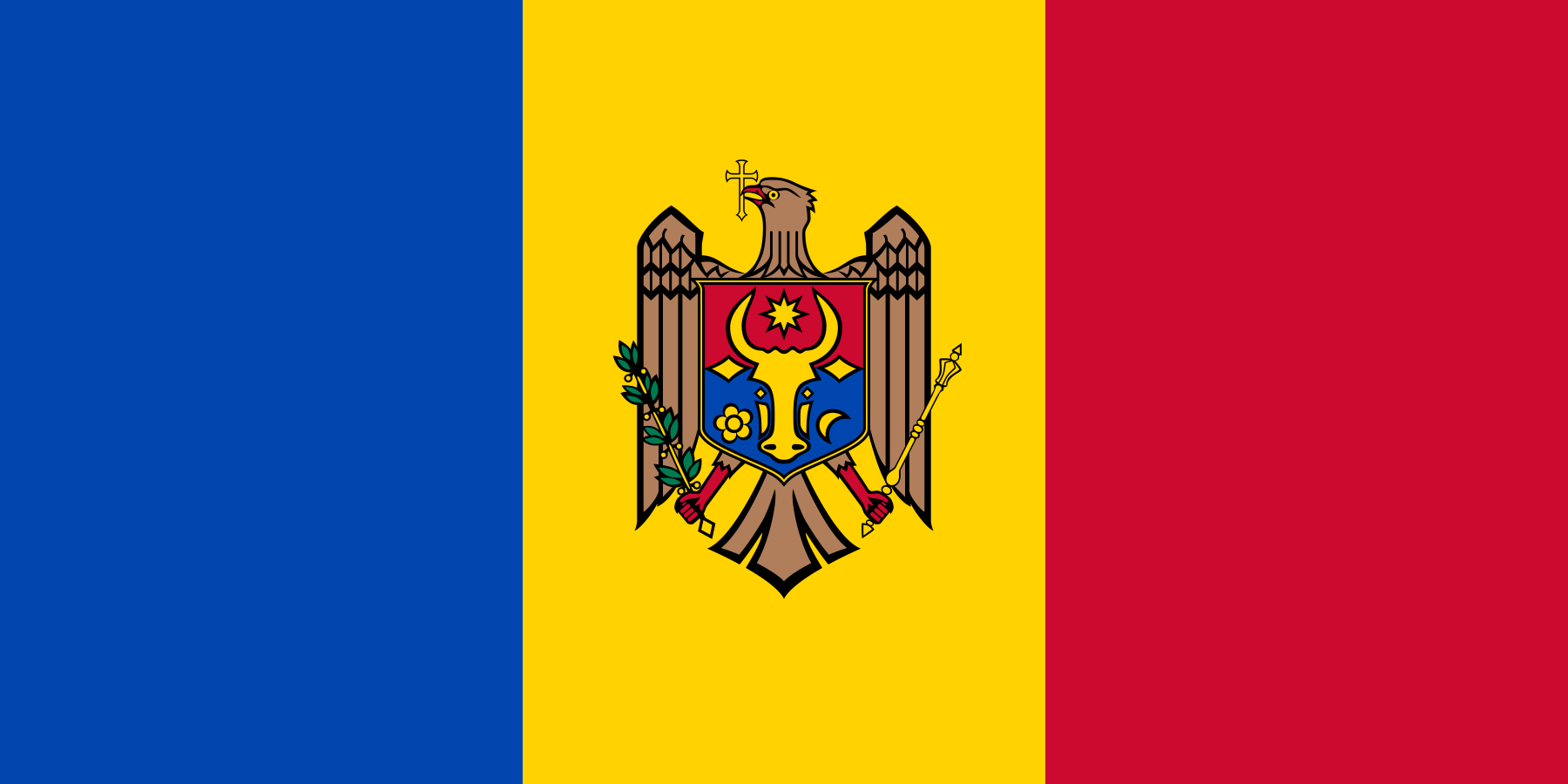 Moldavia
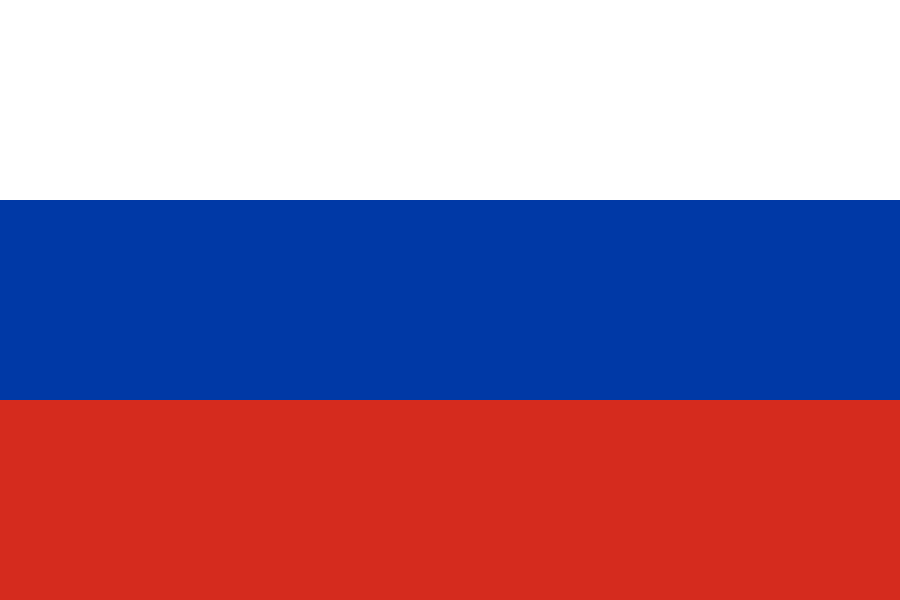 Rusia
Evaluación de la relación
Las explicaciones registradas están disponibles actualmente en inglés.
Moldova–Russia relations are strained by the war in Ukraine, political tensions, energy disputes and the unresolved Transnistria conflict.
Moldavia hacia Rusia
-55Moldova has condemned Russia’s invasion of Ukraine and aligned with EU sanctions against Russia. Its government has pursued closer integration with the European Union and has accused Moscow of interference in Moldovan politics, contributing to a confrontational policy toward Russia.
Rusia hacia Moldavia
-60Russia has retained troops in Transnistria and has used its role in the conflict and energy relationship with Moldova as sources of leverage. Moldova has also accused Russia of political interference and energy pressure; these actions have deepened bilateral hostility.
Relación general
-60The relationship is shaped by a sustained security and political dispute rather than a close partnership. Russia’s military presence in Transnistria and the unresolved conflict, combined with Moldova’s alignment with EU policy after Russia’s invasion of Ukraine, have entrenched serious antagonism. Energy dependence and past economic links have also been important features, but do not offset the current structural confrontation.
Cómo interpretar estas puntuaciones
Las puntuaciones son valoraciones aproximadas, no mediciones objetivas ni una verificación actual. Las puntuaciones direccionales describen políticas y actuaciones gubernamentales, no la opinión pública. La puntuación general es una estimación independiente, nunca un promedio.
- −100
- Hostilidad extrema y sostenida
- −50
- Considerablemente adversa
- 0
- Mixta o neutral, respaldada por información
- +50
- Considerablemente cooperativa
- +100
- Asociación excepcionalmente estrecha y sostenida
«Sin evaluar» significa que no hay una puntuación registrada. La existencia de una pareja no implica reconocimiento diplomático ni relaciones establecidas.
Contexto de la relación
Panorama general
Moldova–Russia relations have become substantially adversarial, particularly since Russia’s full-scale invasion of Ukraine. Moldova has condemned the invasion, aligned with EU sanctions, and pursued EU integration, while accusing Russia of interference and energy pressure. Russia has maintained political and economic leverage, including through its role in the unresolved Transnistria conflict and gas supplies. Earlier trade and energy links do not outweigh the sustained security and political confrontation.
Áreas de tensión
- Russian military presence in Transnistria and the unresolved settlement of the conflict.
- Moldovan allegations of Russian political interference.
- Energy supply and Russia’s use of gas as political leverage.
- Moldova’s condemnation of Russia’s invasion of Ukraine and alignment with EU sanctions.
Acontecimientos clave
Moldova signed an Association Agreement with the European Union, including a Deep and Comprehensive Free Trade Area, strengthening its westward policy orientation.
Russia launched its full-scale invasion of Ukraine; Moldova condemned the invasion and subsequently aligned with EU sanctions against Russia.
The European Council granted Moldova candidate status for accession to the European Union.
The European Council decided to open accession negotiations with Moldova.
Principales incertidumbres
- The extent and operational details of alleged Russian political interference in Moldova remain contested.
- The future of Russian forces and the Transnistria settlement remains unresolved.
- The longer-term effects of Moldova's reduced reliance on Russian gas are uncertain.