
Relationship dossier
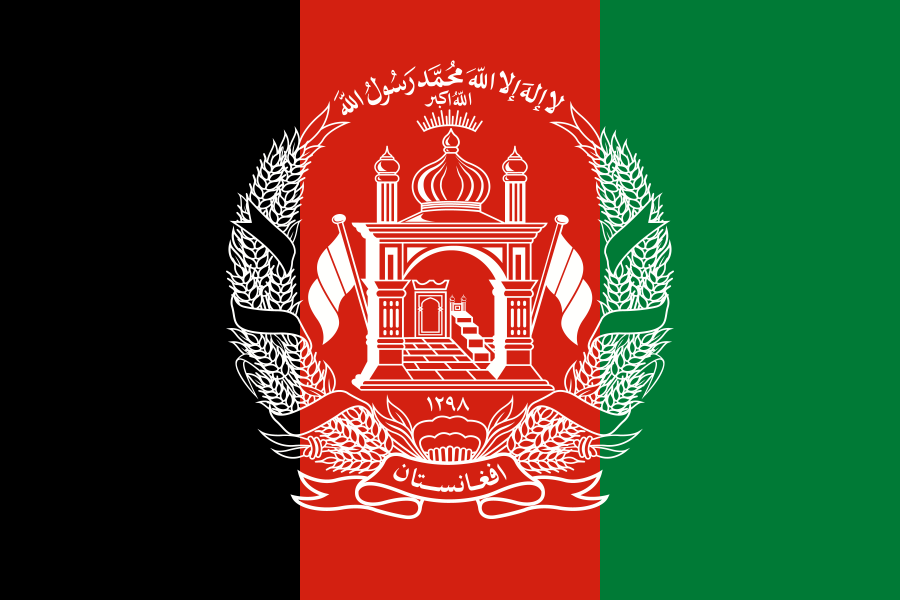 Afghanistan
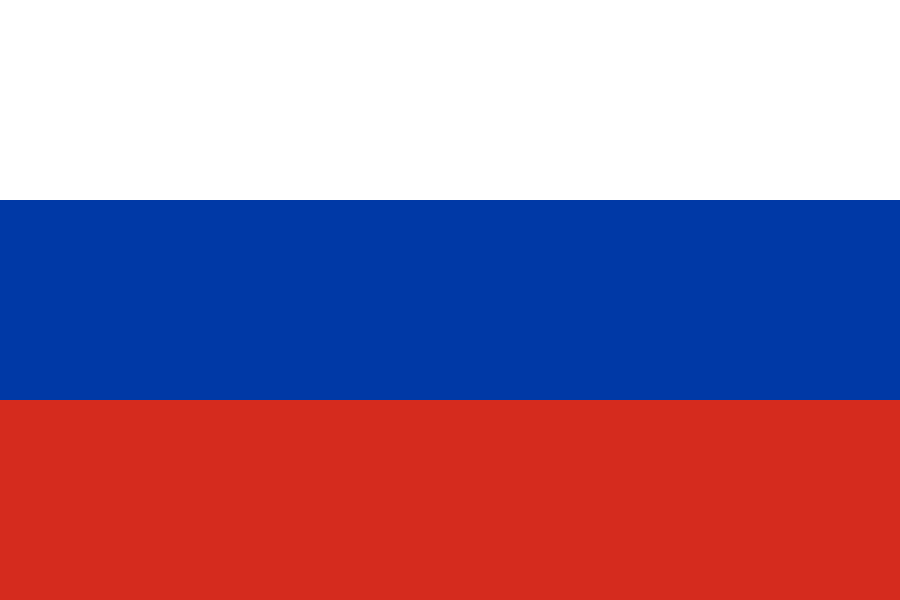 Russia
Relationship assessment
Pragmatic engagement and trade efforts coexist with the Soviet-war legacy and unresolved recognition questions.
Afghanistan toward Russia
+25Taliban authorities have pursued practical relations with Russia, taking part in Russian-hosted talks and seeking expanded trade and economic ties.
Russia toward Afghanistan
+25Russia has maintained contact with Taliban officials, hosted Afghanistan-focused talks, and accepted an Afghan diplomatic representative, while not formally recognizing the Taliban government.
Overall relationship
+10The relationship has shifted from the severe antagonism of the Soviet-Afghan war toward pragmatic engagement under Taliban rule. Russian-hosted talks, diplomatic contact, and trade initiatives provide a basis for cooperation, while formal recognition and the legacy of the war remain significant constraints.
How to read these scores
Scores are rough judgments, not objective measurements or current verification. Directional scores describe government policy and conduct, not public opinion. The overall score is an independent estimate, never an average.
- −100
- Extreme sustained hostility
- −50
- Substantially adversarial
- 0
- Mixed or neutral, supported by knowledge
- +50
- Substantially cooperative
- +100
- Exceptionally close sustained partnership
“Not assessed” means there is no recorded score. Pair existence makes no claim about diplomatic recognition or established relations.
Relationship context
Overview
Under Taliban rule, Afghanistan has pursued practical engagement with Russia, including participation in Russian-hosted talks and efforts to expand trade. Russia has maintained contact with Taliban officials and accepted an Afghan diplomatic representative, while stopping short of formal recognition of the Taliban government. The relationship combines pragmatic engagement with the legacy of the Soviet-Afghan war and unresolved questions about recognition and security.
Areas of tension
- The legacy of the Soviet-Afghan war remains a major historical source of strain.
- Russia has not formally recognized the Taliban government.
- Concerns about security and extremist groups complicate bilateral engagement.
Key developments
Russia hosted a meeting of the Moscow format on Afghanistan, attended by Taliban representatives.
Russia accepted a diplomat appointed by the Taliban authorities as Afghanistan's ambassador.
Major uncertainties
- The scope and implementation of Afghanistan-Russia trade arrangements are unclear.
- Russia's future approach to formal recognition of the Taliban government is uncertain.
- The extent of ongoing security cooperation is unclear.