
Relationship dossier
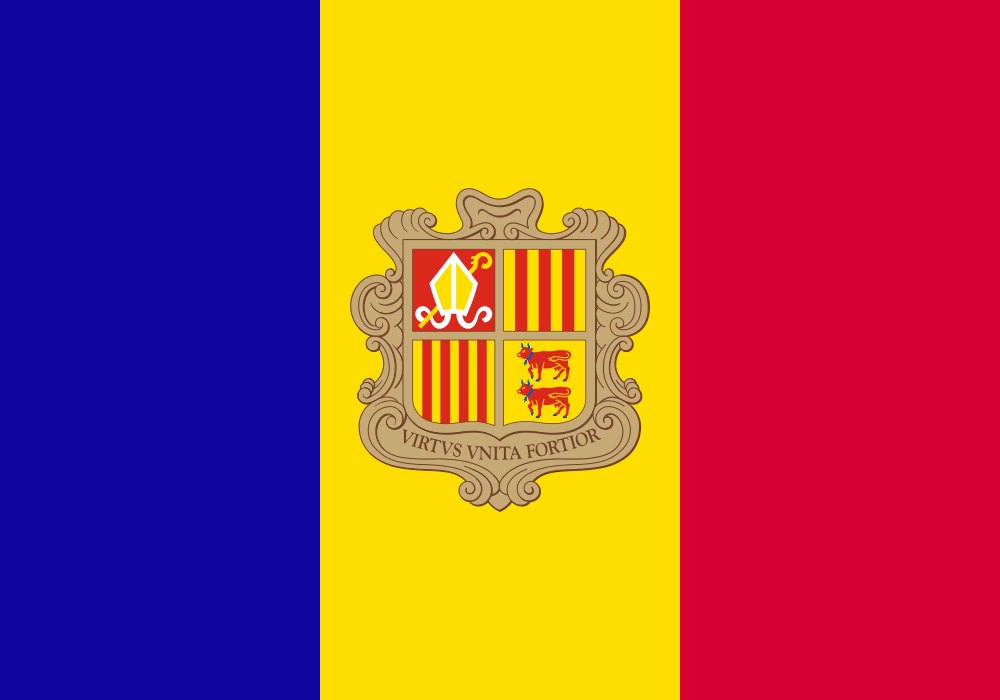 Andorra
 France
Relationship assessment
A close relationship shaped by France’s role as an Andorran Co-Prince and by bilateral cooperation agreements.
Andorra toward France
+75Andorra’s constitutional order recognizes the French President as one of its Co-Princes, giving France a formal role in Andorran institutions. Andorra also participates in the 1993 treaty framework with France and concluded a bilateral tax convention with it.
France toward Andorra
+75France exercises its constitutional role as one of Andorra’s Co-Princes through the French President and a personal representative. France joined Andorra and Spain in the 1993 treaty on good-neighbourly relations, friendship and cooperation, and concluded a bilateral tax convention with Andorra.
Overall relationship
+75The relationship rests on a distinctive constitutional link, formalized cooperation under the 1993 treaty, and practical bilateral arrangements such as the tax convention. These durable institutional and governmental ties support a close overall characterization.
How to read these scores
Scores are rough judgments, not objective measurements or current verification. Directional scores describe government policy and conduct, not public opinion. The overall score is an independent estimate, never an average.
- −100
- Extreme sustained hostility
- −50
- Substantially adversarial
- 0
- Mixed or neutral, supported by knowledge
- +50
- Substantially cooperative
- +100
- Exceptionally close sustained partnership
“Not assessed” means there is no recorded score. Pair existence makes no claim about diplomatic recognition or established relations.
Relationship context
Overview
Andorra and France have a close, durable relationship shaped by France’s constitutional role as one of Andorra’s two Co-Princes. The 1993 treaty on good-neighbourly relations, friendship and cooperation provides a framework for their relationship, and a bilateral tax convention adds practical cooperation. The relationship is institutionally distinctive and asymmetrical, while supported examples point to sustained cooperation.
Key developments
Andorra, France and Spain concluded a treaty on good-neighbourly relations, friendship and cooperation.
Andorra and France concluded a bilateral convention on the avoidance of double taxation.
Major uncertainties
- The scope and implementation of bilateral cooperation beyond the treaty and tax convention are unclear.