
Relationship dossier
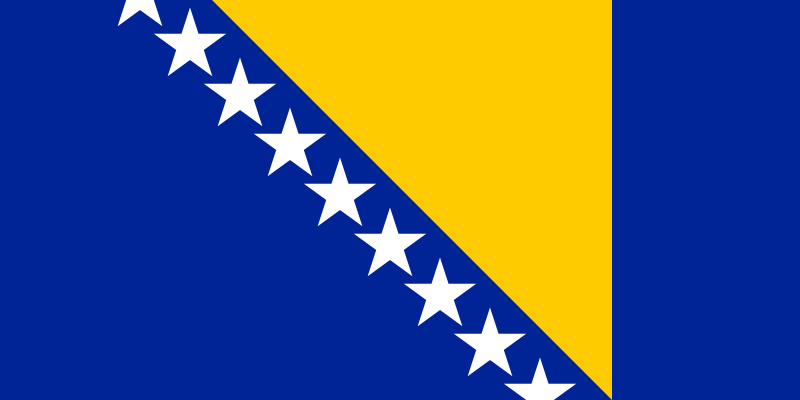 Bosnia and Herzegovina
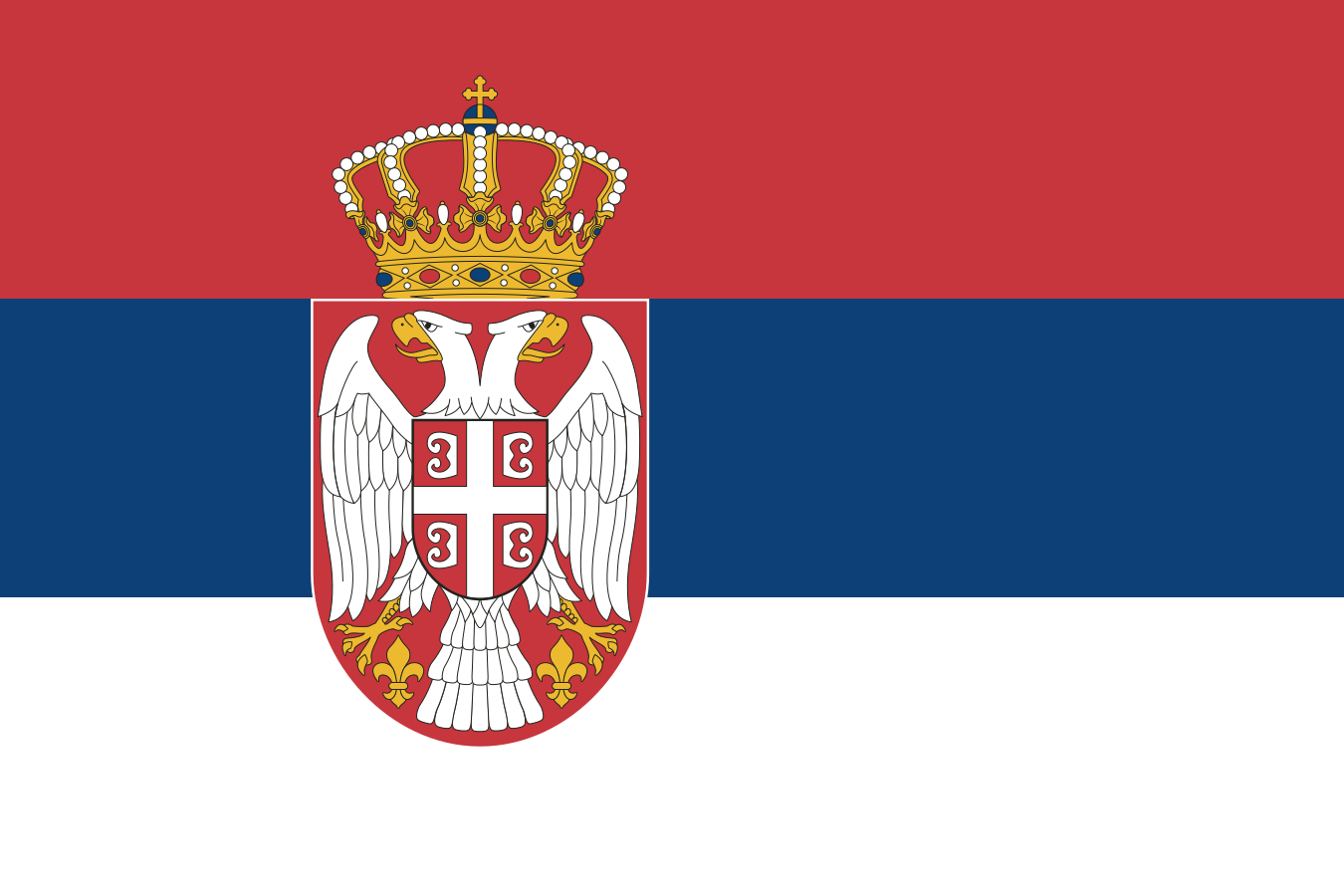 Serbia
Relationship assessment
Practical cooperation continues alongside persistent disputes over the war’s legacy and Republika Srpska
Bosnia and Herzegovina toward Serbia
0Bosnia and Herzegovina has engaged Serbia through bilateral government meetings and practical cooperation, including work on postwar issues such as missing persons. Its policy is also constrained by internal political divisions, while disagreements over the 1990s war and regional politics continue to affect relations.
Serbia toward Bosnia and Herzegovina
-15Serbia has participated in bilateral government cooperation and has publicly supported Bosnia and Herzegovina’s territorial integrity. At the same time, Serbia maintains close institutional ties with Republika Srpska, and statements by Serbian officials on the war and genocide have generated serious friction with Bosnian officials.
Overall relationship
-10The relationship combines recurring government-level cooperation and practical bilateral engagement with enduring disputes over the 1990s war, accountability, and Serbia’s ties with Republika Srpska. Those tensions complicate, but do not eliminate, cooperation between the two states.
How to read these scores
Scores are rough judgments, not objective measurements or current verification. Directional scores describe government policy and conduct, not public opinion. The overall score is an independent estimate, never an average.
- −100
- Extreme sustained hostility
- −50
- Substantially adversarial
- 0
- Mixed or neutral, supported by knowledge
- +50
- Substantially cooperative
- +100
- Exceptionally close sustained partnership
“Not assessed” means there is no recorded score. Pair existence makes no claim about diplomatic recognition or established relations.
Relationship context
Overview
Bosnia and Herzegovina and Serbia maintain substantial political and economic engagement, including government-level cooperation and agreements on practical matters. Their relationship is also shaped by disputes over the legacy of the 1990s war, war-crimes accountability, and Serbia’s close relationship with Republika Srpska. Serbia has affirmed Bosnia and Herzegovina’s territorial integrity, while its ties with Republika Srpska and statements by Serbian officials have at times heightened tensions.
Areas of tension
- Disputes over the interpretation and public commemoration of the 1990s war
- War-crimes accountability and cooperation on missing persons
- Serbia’s close institutional relationship with Republika Srpska and its political leadership
- Statements by Serbian officials concerning the Srebrenica genocide
Key developments
Serbia signed the Dayton Peace Agreement, which established the postwar constitutional framework for Bosnia and Herzegovina.
The governments of Serbia and Bosnia and Herzegovina held a joint session and agreed on practical areas of bilateral cooperation.
Major uncertainties
- The implementation and current scope of bilateral agreements on missing persons and other postwar issues are unclear.
- The extent to which Serbian policy toward Republika Srpska affects cooperation with Bosnia and Herzegovina varies over time.