
Relationship dossier
 Canada
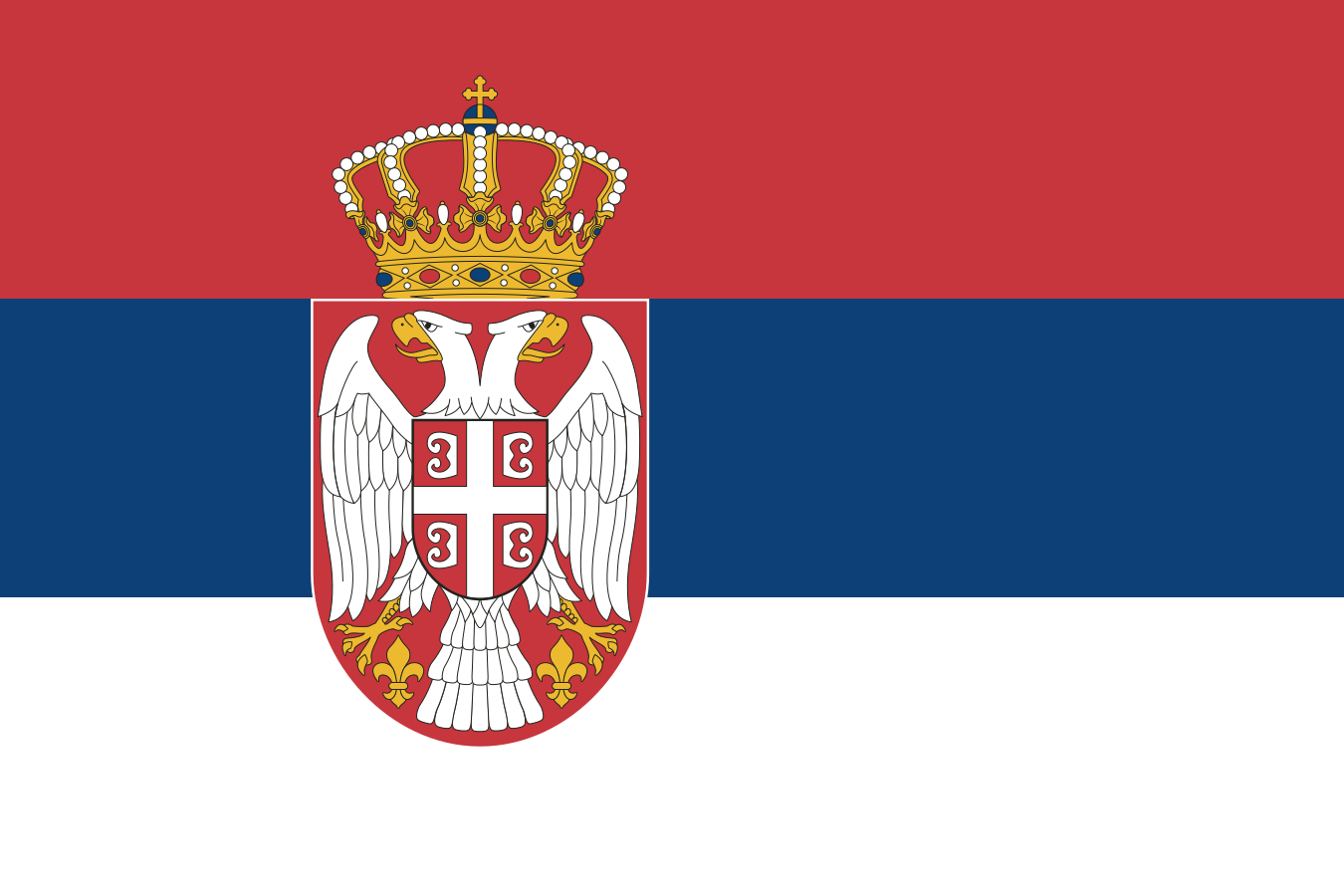 Serbia
Relationship assessment
Practical bilateral cooperation coexists with enduring disagreement over Kosovo and the 1999 NATO campaign.
Canada toward Serbia
-5Canada participates in bilateral tax and social-security arrangements with Serbia. Its participation in NATO's 1999 bombing campaign against the Federal Republic of Yugoslavia and its recognition of Kosovo's independence in 2008 are major sources of tension with Serbia.
Serbia toward Canada
+10Serbia participates in bilateral tax and social-security arrangements with Canada, providing a concrete basis for practical cooperation. Serbia's rejection of Kosovo's independence remains a central disagreement with Canada.
Overall relationship
+5The relationship combines practical cooperation through bilateral agreements with a lasting political divide over Kosovo and the 1999 NATO campaign. The agreements support working-level ties, while the Kosovo disagreement limits closer alignment.
How to read these scores
Scores are rough judgments, not objective measurements or current verification. Directional scores describe government policy and conduct, not public opinion. The overall score is an independent estimate, never an average.
- −100
- Extreme sustained hostility
- −50
- Substantially adversarial
- 0
- Mixed or neutral, supported by knowledge
- +50
- Substantially cooperative
- +100
- Exceptionally close sustained partnership
“Not assessed” means there is no recorded score. Pair existence makes no claim about diplomatic recognition or established relations.
Relationship context
Overview
Canada and Serbia maintain practical bilateral ties, including tax and social-security agreements. Relations also carry significant political tensions: Canada took part in NATO's 1999 bombing campaign against the Federal Republic of Yugoslavia and recognized Kosovo's independence in 2008, which Serbia rejects.
Areas of tension
- Canada's recognition of Kosovo's independence, which Serbia rejects.
- Canada's participation in NATO's 1999 bombing campaign against the Federal Republic of Yugoslavia.
Key developments
Canada and Serbia signed a tax convention to address double taxation and related tax matters.
Canada and Serbia brought a bilateral social-security agreement into force.
Canada recognized Kosovo's independence, which Serbia rejects.
Major uncertainties
- The extent and implementation of current bilateral cooperation beyond tax and social-security arrangements are unclear.
- The scope of ongoing Canadian assistance and trade-related cooperation with Serbia is unclear.