
Relationship dossier
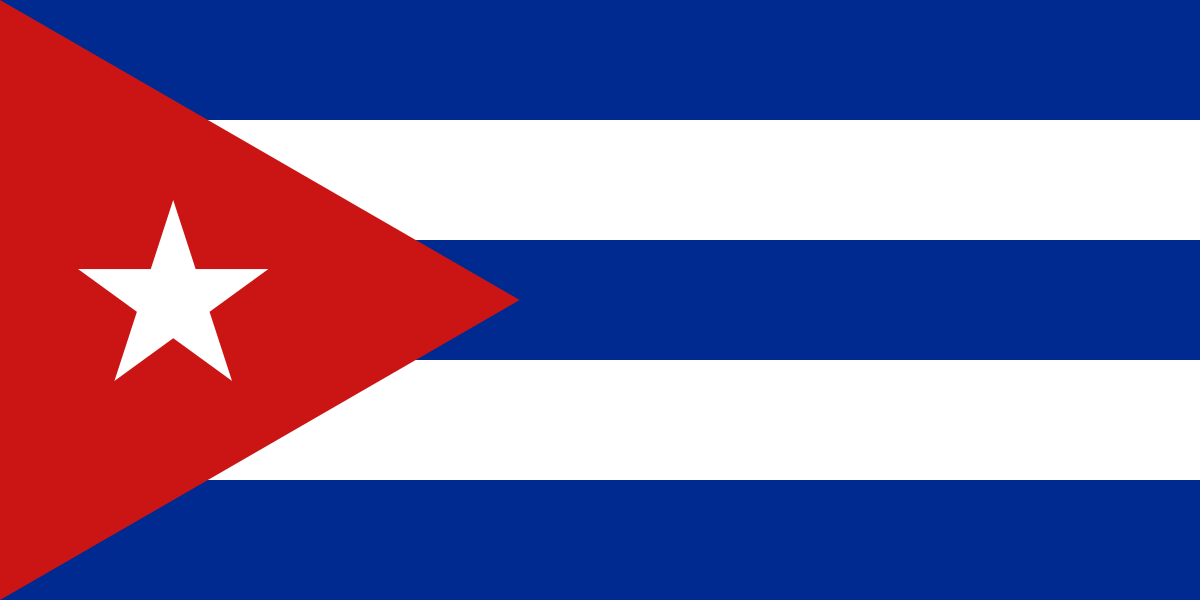 Cuba
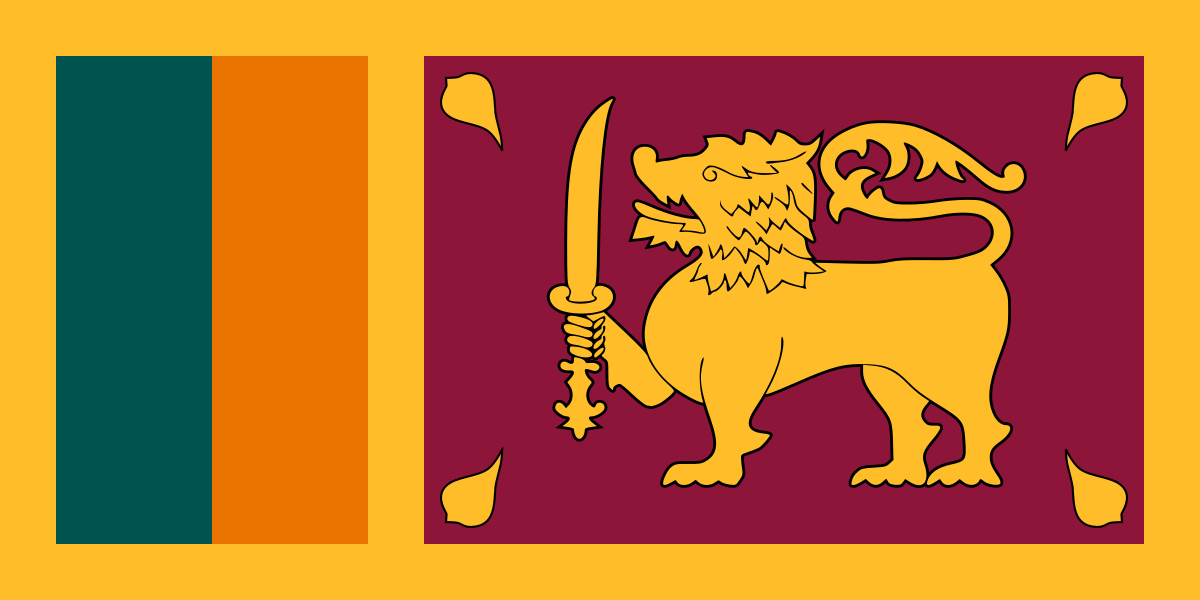 Sri Lanka
Relationship assessment
Friendly ties marked by mutual diplomatic support in multilateral forums
Cuba toward Sri Lanka
+25Cuba opposed a 2012 United Nations Human Rights Council resolution on Sri Lanka, supporting the Sri Lankan government's position in that proceeding.
Sri Lanka toward Cuba
+25Sri Lanka has repeatedly voted at the United Nations General Assembly against the United States embargo on Cuba, supporting Cuba's longstanding campaign to end it.
Overall relationship
+25The relationship is characterized by diplomatic solidarity in multilateral forums, including Sri Lanka's opposition to the United States embargo on Cuba and Cuba's support for Sri Lanka in a 2012 Human Rights Council proceeding. The breadth of cooperation beyond these issues is unclear.
How to read these scores
Scores are rough judgments, not objective measurements or current verification. Directional scores describe government policy and conduct, not public opinion. The overall score is an independent estimate, never an average.
- −100
- Extreme sustained hostility
- −50
- Substantially adversarial
- 0
- Mixed or neutral, supported by knowledge
- +50
- Substantially cooperative
- +100
- Exceptionally close sustained partnership
“Not assessed” means there is no recorded score. Pair existence makes no claim about diplomatic recognition or established relations.
Relationship context
Overview
Cuba and Sri Lanka have maintained friendly relations, with concrete cooperation chiefly reflected in multilateral diplomacy. Sri Lanka has repeatedly opposed the United States embargo on Cuba at the United Nations General Assembly. Cuba has supported Sri Lanka in United Nations Human Rights Council proceedings, including by opposing a resolution on Sri Lanka in 2012. The extent of wider bilateral cooperation is unclear.
Key developments
Cuba opposed a United Nations Human Rights Council resolution on Sri Lanka.
Sri Lanka repeatedly voted at the United Nations General Assembly against the United States embargo on Cuba.
Major uncertainties
- The scope and implementation of bilateral cooperation outside multilateral forums are unclear.
- The continuity and present-day form of the countries' diplomatic coordination are uncertain.