
Relationship dossier
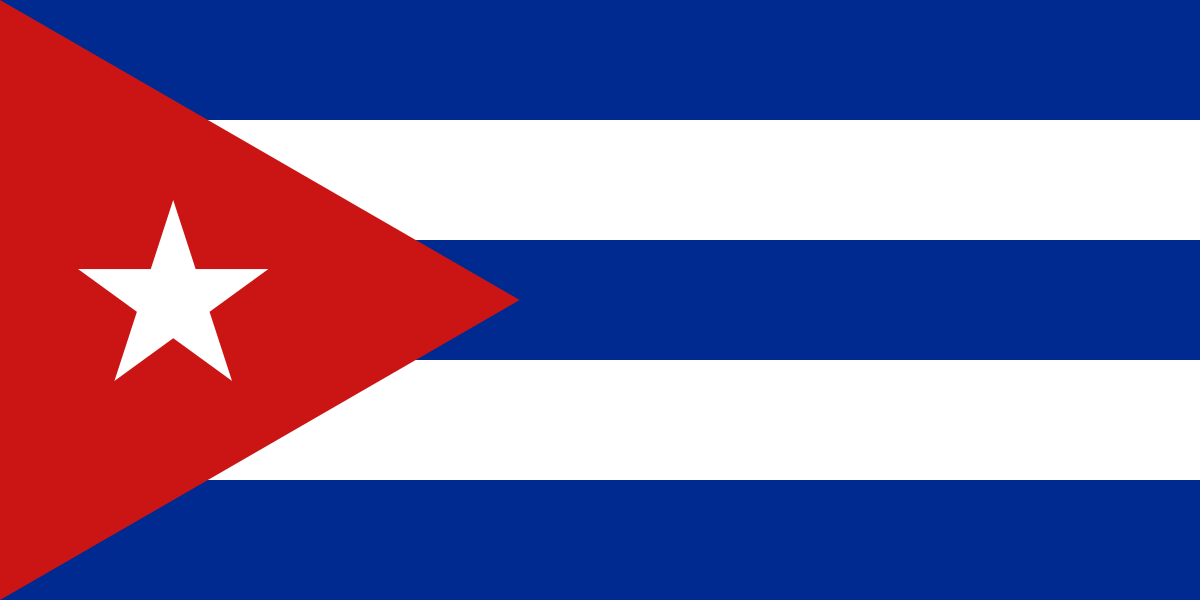 Cuba
 United States
Relationship assessment
A deeply adversarial relationship, with limited cooperation on migration and renewed diplomatic ties since 2015.
Cuba toward United States
-55The Cuban government has maintained migration agreements and engaged in bilateral talks with the United States, while consistently opposing the US embargo and its sanctions policy. Cuban leaders have also criticized US policy toward Cuba and the continued US presence at Guantánamo Bay.
United States toward Cuba
-65The United States maintains a broad economic embargo and sanctions against Cuba, citing concerns including human rights and political freedoms. The US restored diplomatic relations in 2015 and has engaged with Cuba on migration, but these steps coexist with substantial economic and political pressure.
Overall relationship
-60The relationship combines persistent US economic pressure and major political disputes with narrower cooperation and diplomatic engagement. Restored relations and migration arrangements provide channels for contact, but the embargo and enduring disagreements over Cuba’s government and Guantánamo Bay remain central features.
How to read these scores
Scores are rough judgments, not objective measurements or current verification. Directional scores describe government policy and conduct, not public opinion. The overall score is an independent estimate, never an average.
- −100
- Extreme sustained hostility
- −50
- Substantially adversarial
- 0
- Mixed or neutral, supported by knowledge
- +50
- Substantially cooperative
- +100
- Exceptionally close sustained partnership
“Not assessed” means there is no recorded score. Pair existence makes no claim about diplomatic recognition or established relations.
Relationship context
Overview
Cuba and the United States maintain a deeply adversarial relationship shaped by the US economic embargo and sanctions, disputes over Cuba’s political system and human rights, and longstanding disagreements over Guantánamo Bay. The governments restored diplomatic relations in 2015 and have also engaged on migration, but these areas of contact have not displaced the broader confrontation.
Areas of tension
- The US economic embargo and related sanctions against Cuba.
- Disputes over political freedoms, human rights, and Cuba’s political system.
- Cuba’s opposition to the US presence at Guantánamo Bay.
- US policy toward Cuba and its effects on bilateral engagement.
Key developments
Cuba and the United States restored diplomatic relations after more than five decades of rupture.
The United States reopened its embassy in Havana.
Major uncertainties
- The scope and implementation of bilateral cooperation on migration and law enforcement vary over time.
- The future course of US sanctions policy and bilateral engagement is uncertain.
- The governments remain divided over the status of Guantánamo Bay and Cuba’s political system.