
Relationship dossier
 Ecuador
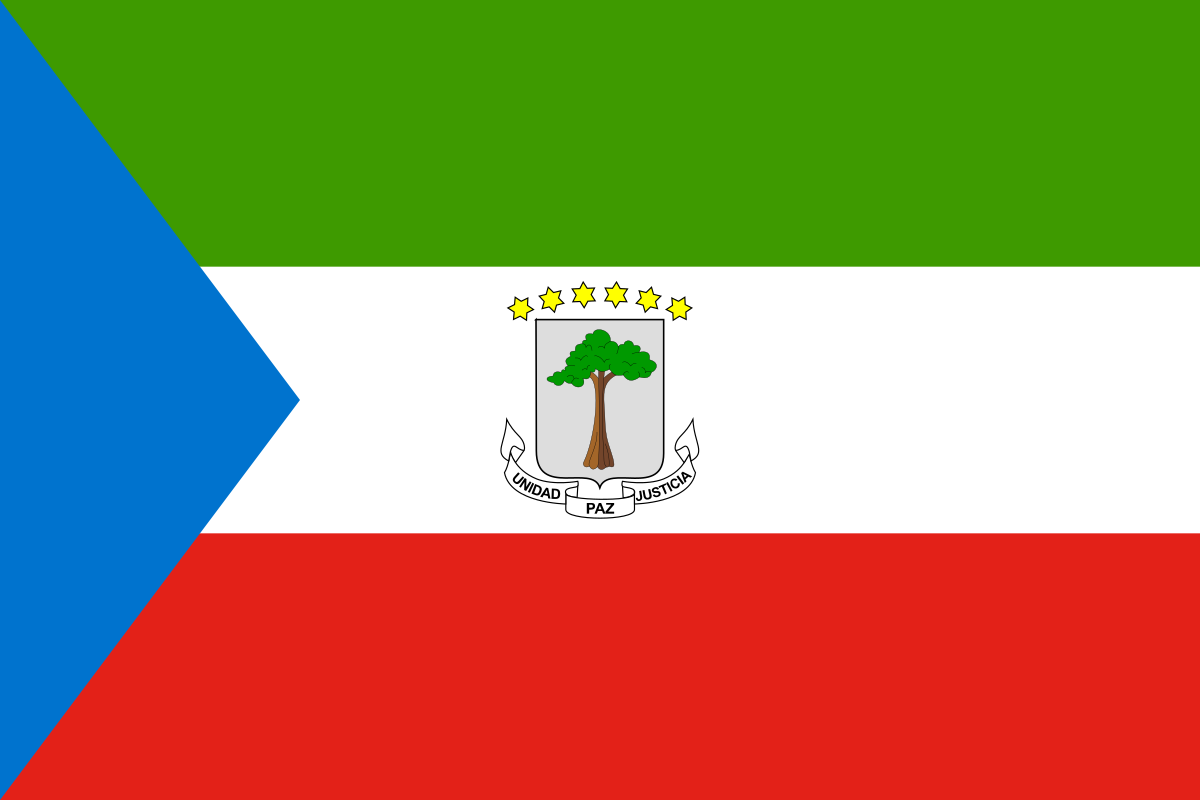 Equatorial Guinea
Relationship assessment
Bilateral cooperation advanced through agreements on energy, education and technical fields
Ecuador toward Equatorial Guinea
+20During President Rafael Correa's 2013 visit to Equatorial Guinea, Ecuador pursued bilateral agreements covering areas including energy, education and technical cooperation.
Equatorial Guinea toward Ecuador
+20Equatorial Guinea's government engaged with Ecuador during President Rafael Correa's 2013 visit and concluded bilateral cooperation agreements in areas including energy, education and technical cooperation.
Overall relationship
+15The relationship has included concrete government-led cooperation through agreements in several fields, notably those associated with Ecuador's 2013 presidential visit. The breadth and implementation of these initiatives are unclear, limiting evidence of a deeper or sustained partnership.
How to read these scores
Scores are rough judgments, not objective measurements or current verification. Directional scores describe government policy and conduct, not public opinion. The overall score is an independent estimate, never an average.
- −100
- Extreme sustained hostility
- −50
- Substantially adversarial
- 0
- Mixed or neutral, supported by knowledge
- +50
- Substantially cooperative
- +100
- Exceptionally close sustained partnership
“Not assessed” means there is no recorded score. Pair existence makes no claim about diplomatic recognition or established relations.
Relationship context
Overview
Ecuador and Equatorial Guinea have pursued government-to-government cooperation, including agreements associated with Ecuadorian President Rafael Correa's 2013 visit to Equatorial Guinea. The initiatives covered areas such as energy, education and technical cooperation. These actions indicate a cooperative but relatively narrow relationship; the scope and follow-through of the agreements are unclear.
Key developments
During Rafael Correa's visit to Equatorial Guinea, the two governments concluded agreements on cooperation that included energy, education and technical fields.
Major uncertainties
- The scope and implementation of the bilateral cooperation agreements are unclear.
- The extent of subsequent government cooperation is uncertain.