
Relationship dossier
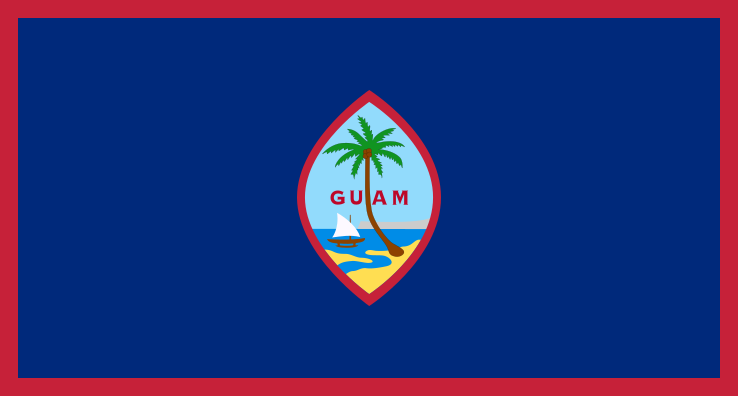 Guam
 United States
Relationship assessment
Guam is a U.S. territory with local self-government under federal authority.
Guam toward United States
Not assessedUnited States toward Guam
+35The United States governs Guam under federal territorial law. The 1950 Organic Act established a civilian government and granted U.S. citizenship to people born in Guam; the United States also retains federal responsibilities, including defense.
Overall relationship
Not assessedHow to read these scores
Scores are rough judgments, not objective measurements or current verification. Directional scores describe government policy and conduct, not public opinion. The overall score is an independent estimate, never an average.
- −100
- Extreme sustained hostility
- −50
- Substantially adversarial
- 0
- Mixed or neutral, supported by knowledge
- +50
- Substantially cooperative
- +100
- Exceptionally close sustained partnership
“Not assessed” means there is no recorded score. Pair existence makes no claim about diplomatic recognition or established relations.
Relationship context
Overview
Guam is an unincorporated territory of the United States, and its local government operates within authority established by federal law. The 1950 Organic Act created a civilian government and granted U.S. citizenship to people born in Guam. U.S. administration also includes federal responsibilities such as defense. Guam does not conduct an independent foreign policy, so its government’s bilateral conduct toward the United States cannot be assessed on the same basis as relations between sovereign states.
Key developments
The U.S. Organic Act of Guam established a civilian government and granted U.S. citizenship to people born in Guam.
Major uncertainties
- The practical scope of Guam's local authority in areas shared with the federal government is unclear.
- The extent and effects of federal responsibilities and programs in Guam vary by policy area.