
Relationship dossier
 Guinea
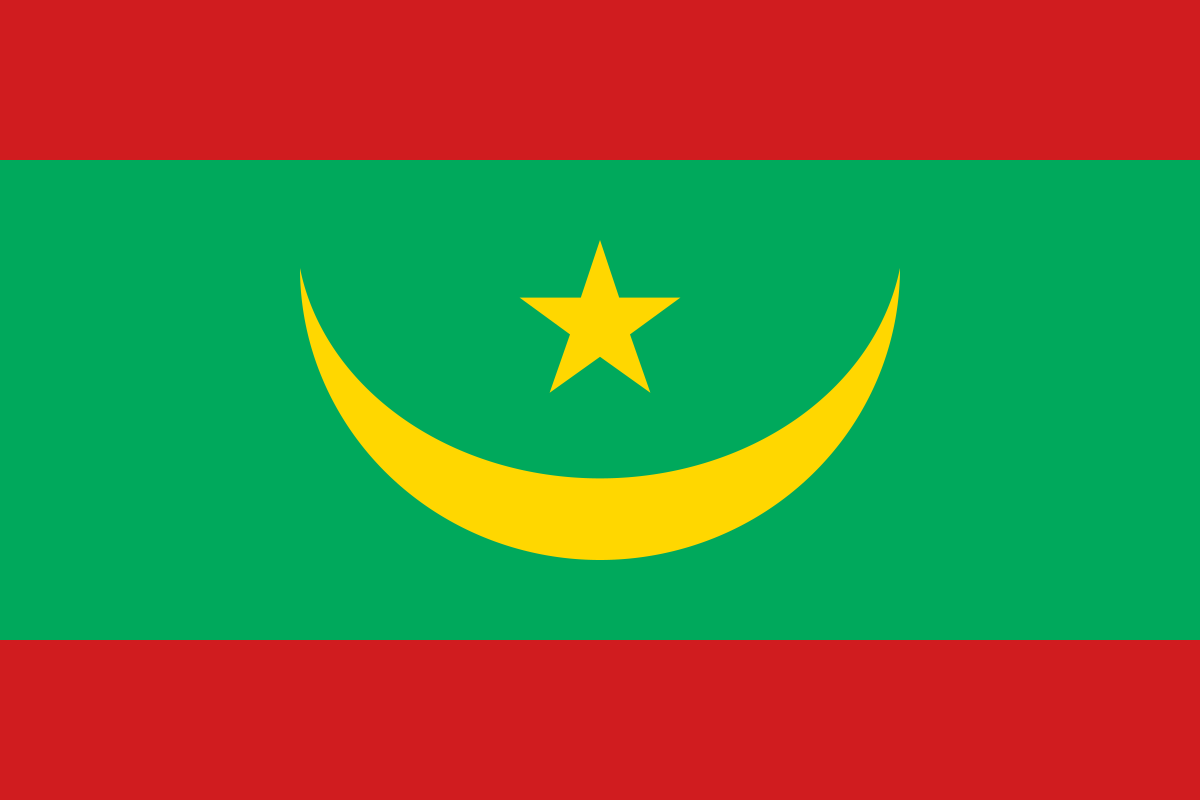 Mauritania
Relationship assessment
Cooperation through the Senegal River basin framework, with limited detail on wider bilateral engagement
Guinea toward Mauritania
+15Guinea joined the Senegal River Development Organization in 2006, entering a framework that includes Mauritania and coordinates management of the Senegal River basin.
Mauritania toward Guinea
+15Mauritania participates as a founding member of the Senegal River Development Organization, whose basin-management framework also includes Guinea.
Overall relationship
+15The clearest enduring feature is cooperation through the Senegal River basin framework: Guinea joined the OMVS in 2006, while Mauritania is a founding member. The scope of wider bilateral engagement is unclear.
How to read these scores
Scores are rough judgments, not objective measurements or current verification. Directional scores describe government policy and conduct, not public opinion. The overall score is an independent estimate, never an average.
- −100
- Extreme sustained hostility
- −50
- Substantially adversarial
- 0
- Mixed or neutral, supported by knowledge
- +50
- Substantially cooperative
- +100
- Exceptionally close sustained partnership
“Not assessed” means there is no recorded score. Pair existence makes no claim about diplomatic recognition or established relations.
Relationship context
Overview
Guinea and Mauritania participate in the Senegal River basin framework, which coordinates management of a shared river system. Guinea joined the Senegal River Development Organization (OMVS) in 2006; Mauritania is a founding member. This provides a concrete basis for cooperation, though the breadth of other bilateral government engagement is unclear.
Key developments
Guinea joined the Senegal River Development Organization (OMVS), expanding the basin-management framework to include Guinea alongside founding members including Mauritania.
Major uncertainties
- The scope of direct bilateral agreements beyond Senegal River basin cooperation is unclear.
- The extent and implementation of current bilateral cooperation are unclear.