
Relationship dossier
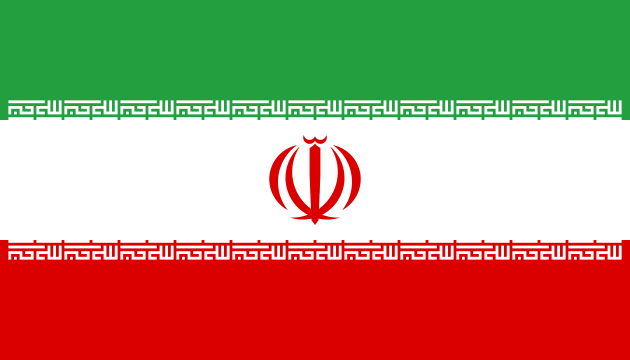 Iran
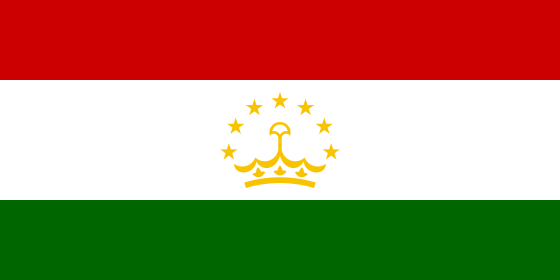 Tajikistan
Relationship assessment
Peace negotiations, renewed political engagement and defense cooperation underpin ties strained by earlier political disagreements.
Iran toward Tajikistan
+45Iran took part in negotiations that helped produce Tajikistan’s 1997 peace agreement and later pursued renewed economic and security cooperation. The Iranian drone-production facility established in Tajikistan in 2022 is a concrete example of defense engagement.
Tajikistan toward Iran
+40Tajikistan engaged Iran in the negotiations that led to its 1997 peace agreement and later resumed high-level cooperation, including defense-industrial engagement associated with an Iranian drone-production facility in Tajikistan. Tajikistan also publicly accused Iran of supporting the banned Islamic Renaissance Party, contributing to a period of strained relations.
Overall relationship
+40The relationship combines a substantial role in Tajikistan’s post-civil-war peace process with later economic, diplomatic and defense cooperation. A period of political tension over Tajik allegations regarding Iranian support for the Islamic Renaissance Party interrupted closer engagement, but subsequent high-level contacts and defense cooperation indicate renewed partnership.
How to read these scores
Scores are rough judgments, not objective measurements or current verification. Directional scores describe government policy and conduct, not public opinion. The overall score is an independent estimate, never an average.
- −100
- Extreme sustained hostility
- −50
- Substantially adversarial
- 0
- Mixed or neutral, supported by knowledge
- +50
- Substantially cooperative
- +100
- Exceptionally close sustained partnership
“Not assessed” means there is no recorded score. Pair existence makes no claim about diplomatic recognition or established relations.
Relationship context
Overview
Iran and Tajikistan have built cooperation on Persian-language and cultural ties, economic engagement, and security. Iran played a role in negotiations that led to Tajikistan’s 1997 peace agreement, while later years brought a serious political rift over Tajikistan’s allegations concerning Iranian support for the banned Islamic Renaissance Party. Relations subsequently improved, with renewed high-level engagement and defense cooperation, including an Iranian drone-production facility in Tajikistan.
Areas of tension
- Tajikistan’s allegations that Iran supported the banned Islamic Renaissance Party strained bilateral relations.
Key developments
Iran participated in negotiations that led to the Tajik peace agreement ending the civil war.
Political tensions grew after Tajikistan accused Iran of supporting the banned Islamic Renaissance Party.
Iran and Tajikistan renewed high-level engagement and cooperation after a period of strained relations.
An Iranian drone-production facility was inaugurated in Tajikistan, marking defense-industrial cooperation.
Major uncertainties
- The scope and implementation of recent economic and security agreements are unclear.
- The extent to which earlier political disagreements continue to affect government cooperation is uncertain.