
Relationship dossier
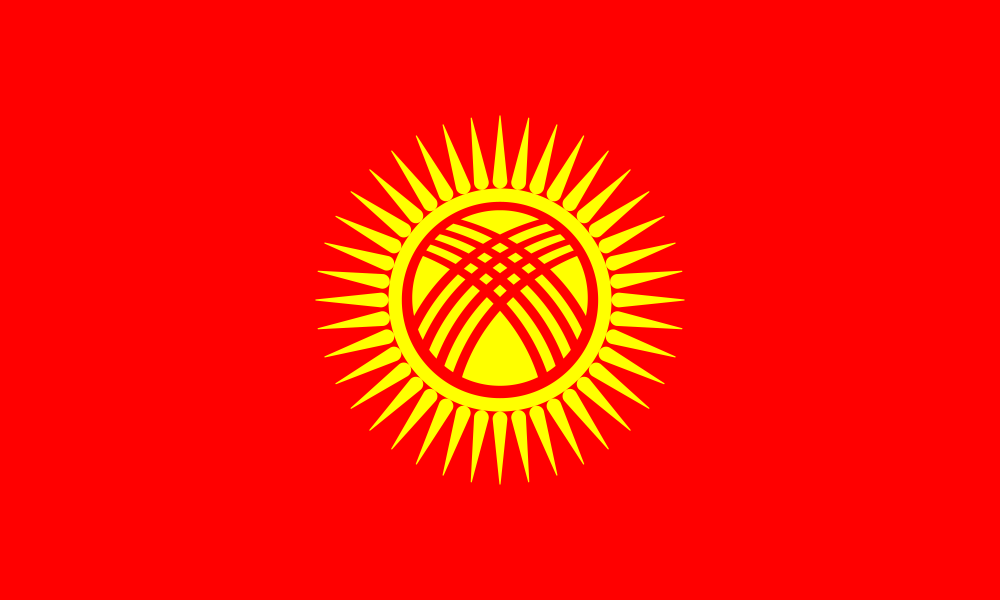 Kyrgyzstan
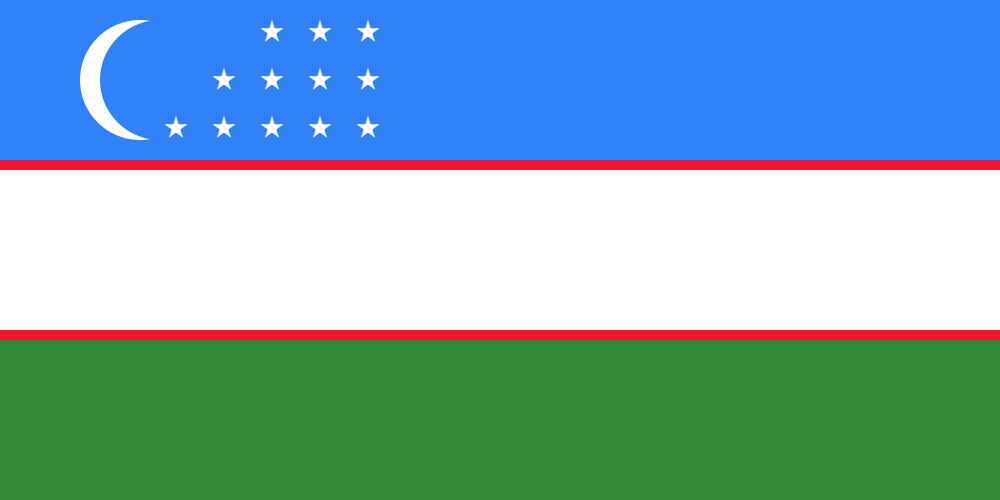 Uzbekistan
Relationship assessment
Kyrgyzstan–Uzbekistan ties have warmed through border agreements and renewed cross-border cooperation, while shared-water and boundary issues remain sensitive.
Kyrgyzstan toward Uzbekistan
+35Kyrgyzstan negotiated border arrangements with Uzbekistan, including the 2021 agreement on delimitation and the 2022 arrangement concerning the Kempir-Abad reservoir. These steps represent substantive cooperation, although the reservoir agreement became a contentious issue within Kyrgyzstan.
Uzbekistan toward Kyrgyzstan
+40Uzbekistan reopened border crossings with Kyrgyzstan as relations warmed from 2017 and participated in the 2021 border delimitation agreement and 2022 Kempir-Abad reservoir arrangement. These actions supported greater cross-border access and cooperation, while shared-water management remained sensitive.
Overall relationship
+40The enduring relationship combines a history of difficult border and access questions with a marked period of rapprochement. Border delimitation, reopened crossings and shared-water arrangements provide a substantive basis for cooperation, but implementation and the political sensitivity of water and boundary issues temper the partnership.
How to read these scores
Scores are rough judgments, not objective measurements or current verification. Directional scores describe government policy and conduct, not public opinion. The overall score is an independent estimate, never an average.
- −100
- Extreme sustained hostility
- −50
- Substantially adversarial
- 0
- Mixed or neutral, supported by knowledge
- +50
- Substantially cooperative
- +100
- Exceptionally close sustained partnership
“Not assessed” means there is no recorded score. Pair existence makes no claim about diplomatic recognition or established relations.
Relationship context
Overview
Kyrgyzstan and Uzbekistan have moved from recurring border and access disputes toward closer government cooperation. Border agreements and arrangements concerning the Kempir-Abad/Andijan reservoir were important steps, alongside the reopening of crossings and expanded travel and economic links. The relationship remains shaped by sensitive questions of border demarcation and shared water management.
Areas of tension
- Border delimitation and demarcation, including areas that were disputed or difficult to access.
- Control and management of the Kempir-Abad/Andijan reservoir and associated water resources.
Key developments
Uzbekistan reopened border crossings with Kyrgyzstan as bilateral relations warmed.
The two governments signed an agreement on delimiting their shared border.
The governments agreed on arrangements concerning the Kempir-Abad/Andijan reservoir, prompting political controversy in Kyrgyzstan.
Major uncertainties
- The implementation and durability of border and shared-water arrangements remain important to the relationship.
- The extent of recent bilateral cooperation beyond border, travel and economic issues is unclear.