
Relationship dossier
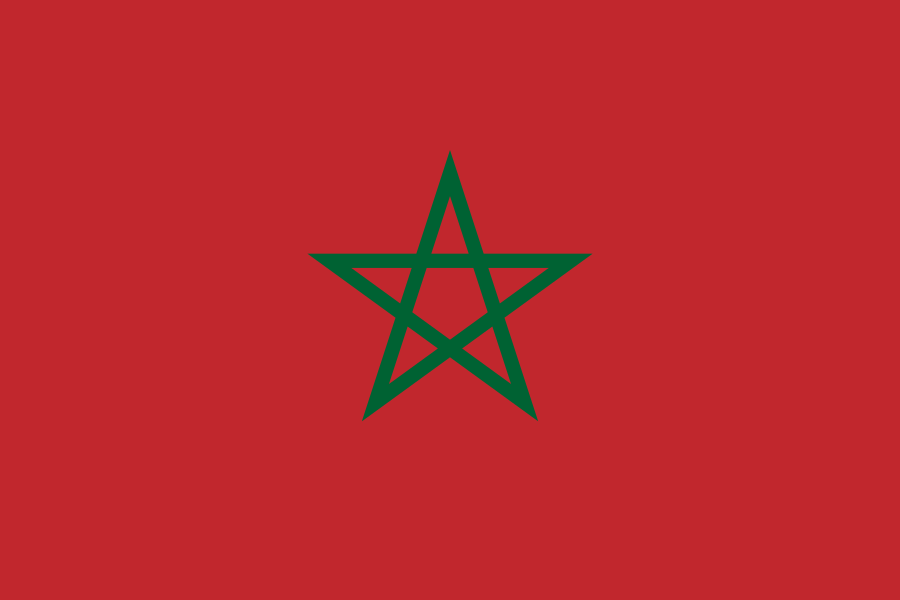 Morocco
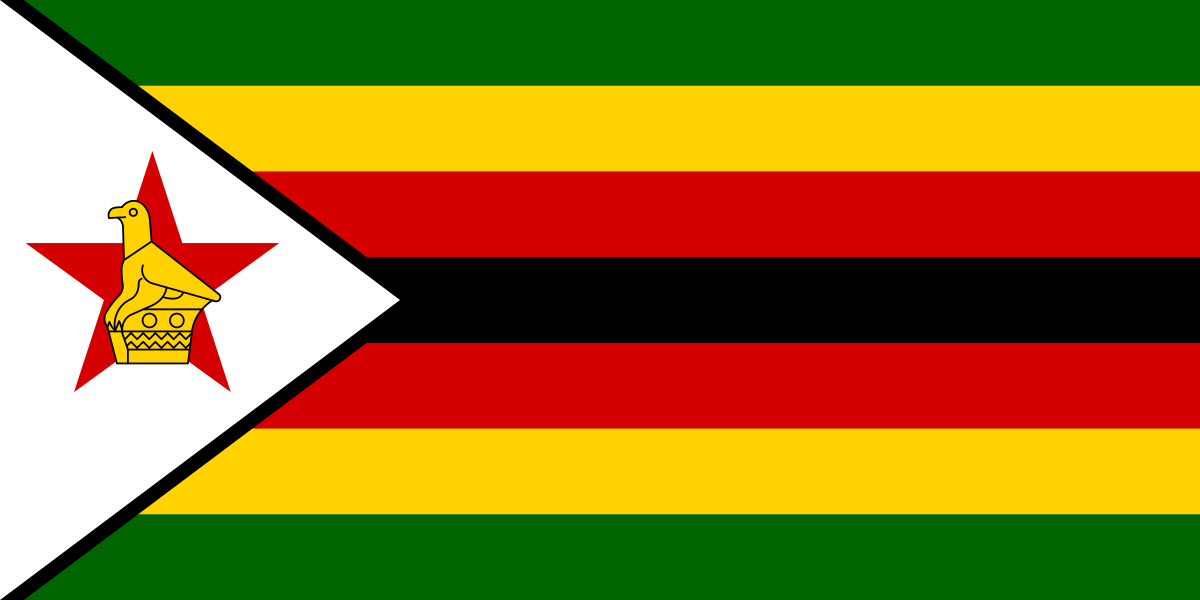 Zimbabwe
Relationship assessment
Practical cooperation coexists with disagreement over Western Sahara
Morocco toward Zimbabwe
+35Morocco hosted Zimbabwean President Emmerson Mnangagwa in 2019, when the governments signed agreements covering areas including agriculture, mining, tourism, health and vocational training.
Zimbabwe toward Morocco
-25Zimbabwe has supported the Sahrawi Arab Democratic Republic and its position on Western Sahara, opposing Morocco’s claims over the territory.
Overall relationship
+5The relationship combines agreements aimed at practical cooperation with a significant political disagreement over Western Sahara. The scope and durability of the cooperative arrangements, and their weight alongside the territorial dispute, are unclear.
How to read these scores
Scores are rough judgments, not objective measurements or current verification. Directional scores describe government policy and conduct, not public opinion. The overall score is an independent estimate, never an average.
- −100
- Extreme sustained hostility
- −50
- Substantially adversarial
- 0
- Mixed or neutral, supported by knowledge
- +50
- Substantially cooperative
- +100
- Exceptionally close sustained partnership
“Not assessed” means there is no recorded score. Pair existence makes no claim about diplomatic recognition or established relations.
Relationship context
Overview
Morocco and Zimbabwe have pursued practical cooperation, including agreements signed during Zimbabwean President Emmerson Mnangagwa’s 2019 visit to Morocco. Their relationship is also affected by Zimbabwe’s support for the Sahrawi Arab Democratic Republic and its position on Western Sahara, which conflicts with Morocco’s claims. The breadth and implementation of bilateral cooperation are unclear.
Areas of tension
- Zimbabwe’s support for the Sahrawi Arab Democratic Republic conflicts with Morocco’s claims over Western Sahara.
Key developments
During President Emmerson Mnangagwa’s visit to Morocco, the two governments signed agreements in areas including agriculture, mining, tourism, health and vocational training.
Major uncertainties
- The scope and implementation of the agreements signed in 2019 are unclear.
- The extent of subsequent bilateral cooperation is uncertain.