
Relationship dossier
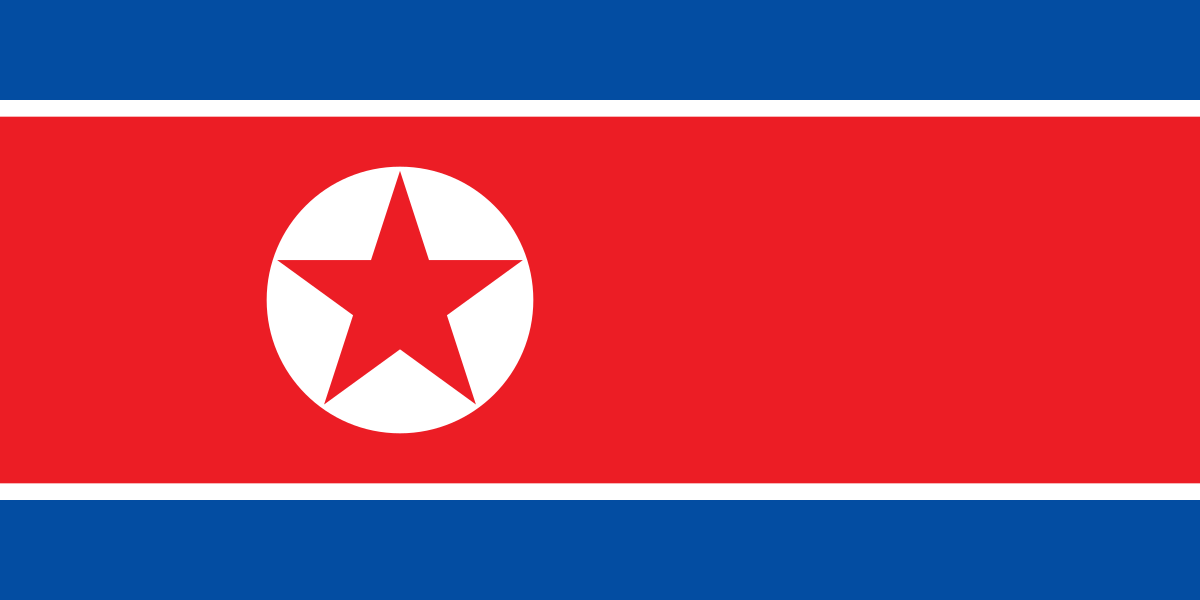 North Korea
 United States
Relationship assessment
Sustained strategic confrontation, punctuated by high-level diplomacy without a durable settlement.
North Korea toward United States
-85North Korea has developed nuclear weapons and ballistic missiles and has repeatedly conducted missile tests and issued threats directed at the United States. Its government also engaged in direct diplomacy with the U.S. president at the 2018 Singapore summit, but the talks did not yield a lasting agreement.
United States toward North Korea
-85The United States has imposed extensive sanctions on North Korea over its nuclear and missile programs and maintained military deterrence on the Korean Peninsula. It has also pursued direct diplomacy, including the 2018 Singapore summit and subsequent negotiations, without securing a durable denuclearization agreement.
Overall relationship
-85The relationship is shaped by a durable security conflict: North Korea’s nuclear and missile programs, U.S. sanctions and deterrence, and the absence of a peace settlement following the Korean War armistice. High-level diplomacy has periodically reduced tensions but has not resolved these central disputes.
How to read these scores
Scores are rough judgments, not objective measurements or current verification. Directional scores describe government policy and conduct, not public opinion. The overall score is an independent estimate, never an average.
- −100
- Extreme sustained hostility
- −50
- Substantially adversarial
- 0
- Mixed or neutral, supported by knowledge
- +50
- Substantially cooperative
- +100
- Exceptionally close sustained partnership
“Not assessed” means there is no recorded score. Pair existence makes no claim about diplomatic recognition or established relations.
Relationship context
Overview
North Korea–United States relations have been characterized by sustained strategic confrontation, especially over North Korea’s nuclear and missile programs, U.S. sanctions, and military deterrence on the Korean Peninsula. Periodic diplomatic engagement, including the 2018 Singapore summit and subsequent talks, has not produced a durable settlement or denuclearization agreement.
Areas of tension
- North Korea’s nuclear weapons and ballistic missile programs
- U.S. sanctions targeting North Korea
- U.S. and South Korean military exercises and deterrence
- The unresolved status of the Korean War armistice and lack of a peace treaty
Key developments
The United States and North Korea signed the Agreed Framework, addressing North Korea’s nuclear program; the agreement later broke down.
The U.S. president and North Korean leader met in Singapore and issued a joint statement on relations, peace, and denuclearization.
A second U.S.–North Korea summit in Hanoi ended without an agreement.
Major uncertainties
- The prospects for renewed negotiations and the scope of any future nuclear arrangements are unclear.
- The extent to which sanctions and diplomatic measures have changed North Korean government policy is uncertain.